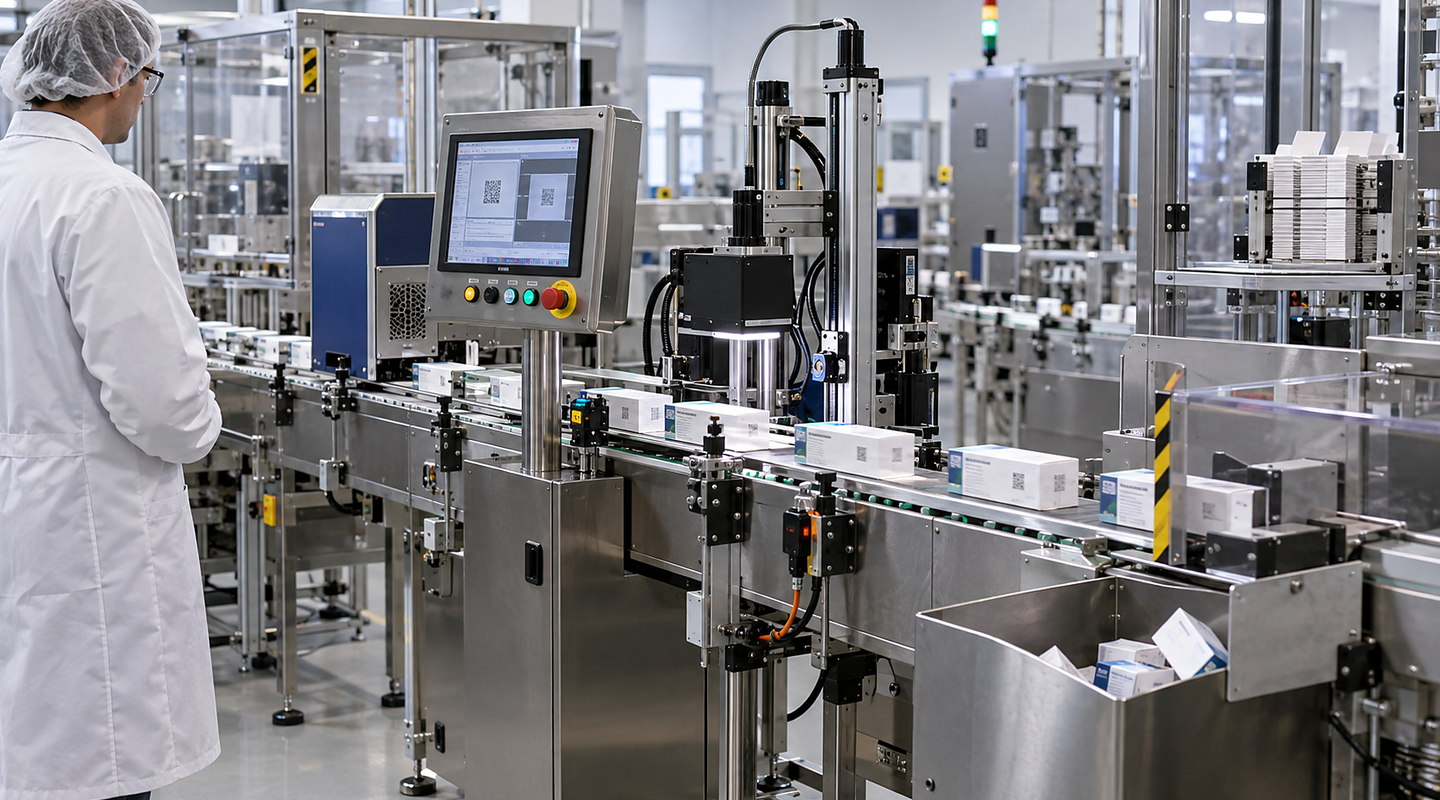
Identifier and Data Rules for Serial Identification of Electronic Products: Data and identifier definition
Define electronic-product serial-number rules: issue source, assembly association, readable data, manufacturing records, duplicates, failed marks and rework.
In brief
Define the serial-number source, required format and the event that associates the number with an assembly. Record where the identifier is applied or read and which manufacturing results must remain linked to it. Set explicit decisions for duplicate numbers, failed marking, rework and replacement labels so the physical product and record do not become ambiguous.
Turn your production information into clearer decisions — Serial Identification of Electronic Products
Plan serial identification of electronic products around your identifiers, substrates, production events, system interfaces, exceptions and verification records. Discuss a practical data-flow approach with Oxford Traceability. Use this guide to resolve identifier and data rules for serial identification of electronic products before it limits the final system.
Identifier and Data Rules for Serial Identification of Electronic Products: condition, range and effect on your process
Current condition
Record the number-issuing source, actual identifier examples, required format and association event for the assembly. Identify mark/label location, read points and the manufacturing information retained through assembly and testing.
Realistic range
Include representative assemblies, normal and difficult substrate/presentation conditions and the production events at each handover. Add actual duplicate, failed-mark, rework and replacement-label examples to the trial set.
Effect on the system
Map each exception to a controlled action and responsible owner. Check that the physical assembly keeps the intended serial identity and that agreed manufacturing records remain associated and reconciled. Retain unresolved decisions separately from demonstrated results.
Before you contact us
Five questions about identifier and data rules for serial identification of electronic products for your application
Who can confirm this information?Identify the person responsible for identifier and data rules for serial identification of electronic products in production, quality, engineering or operations.
How representative is the sample?Include age, supplier, batch, environment and upstream process state where they affect serial identification of electronic products.
What is the difficult condition?Include the slow, reflective, flexible, dirty, damaged, marginal or uncommon case that your system must still handle.
How will you judge the result?Agree the method, repetitions, acceptable range, result record and the response if the observed result falls outside the agreed range.
What else must be coordinated?Your final serial identification of electronic products scope must also account for exception, rework and duplicate handling, verification, retention and reconciliation evidence, current regulations and the conditions at your site.
Connected details
Review identifier and data rules for serial identification of electronic products as part of the complete system
Question 1
Identifier and Data Rules for Serial Identification of Electronic Products
Define where serial numbers are issued, the required format and the event that associates a number with an electronic assembly. Identify the authoritative information source and the production records that must retain that association.
Question 2
Substrate, Label or Tag Behaviour
Provide representative assemblies and proposed mark or label locations, including difficult surfaces and access. Trial the actual readable data and its presentation using the proposed method; a readable sample does not establish that the number belongs to the correct assembly.
Question 3
Production Speed and Read-Point Conditions
Describe the production pattern and where the identifier must be read during assembly and testing. Include normal and difficult presentation, available access and the point at which the result is checked against the intended production record.
Question 4
Line, Business-System and Network Interfaces
Map the events from issuing a serial number to marking, reading and retaining manufacturing results. Identify which system or person owns each decision and how the physical assembly is kept associated with its record at each handover.
Question 5
Exception, Rework and Duplicate Handling
Challenge duplicate numbers, rework, failed marking and replacement labels. Agree the controlled response for each case, including how the identity of an existing assembly is preserved and how conflicting physical identifiers are avoided.
Question 6
Verification, Retention and Reconciliation Evidence
Retain the issued serial, the assembly association and the agreed marking/read and manufacturing records. Check readable data separately from record correctness and reconciliation; let the responsible organisation define retention and access rules.